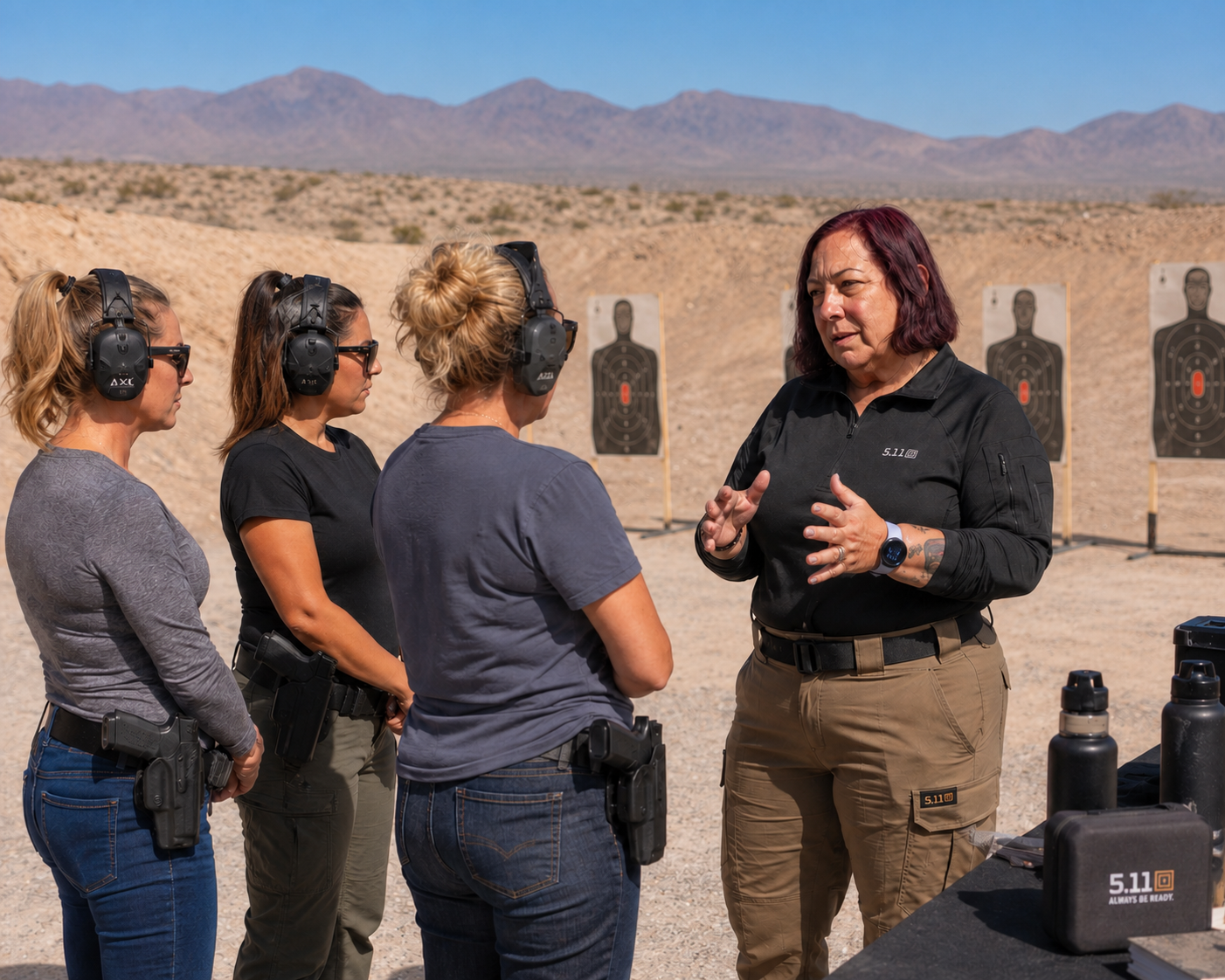
Preparedness is often misunderstood as something reserved for emergencies or specialized training. In reality, preparedness education is much broader. It is the process of learning how to notice what is happening around you, think clearly when something changes, trust your judgment, and make strong first decisions before a situation becomes harder to manage.
Confidence is not created by simply telling yourself to feel more confident. Confidence grows when you understand what to look for, know what options are available, and practice making decisions before pressure arrives. That is the connection between confidence and preparedness: knowledge creates clarity, clarity supports action, and repeated action builds self-trust. Wendy Jay Training focuses on practical preparedness, situational awareness, emotional composure, and real-world readiness.
What Is Preparedness Education?
Preparedness education teaches people how to become more ready for real-life situations through awareness, decision-making, emotional regulation, and practical skills. It is not about expecting something bad to happen. It is about reducing uncertainty so you can respond more effectively when circumstances change.
For women, preparedness education may include recognizing unusual behavior, identifying environmental changes, establishing boundaries, reducing distraction, planning ahead while traveling, making decisions under stress, and understanding how emotions can affect judgment.
This approach supports a preparedness mindset. Instead of thinking, “I hope I know what to do,” a prepared mindset asks, “What can I notice now, what choices do I have, and what is my best first decision?”
Recognizing that something feels off, moving to a better position, creating distance, asking for help, leaving early, or simply paying closer attention can all be examples of practical preparedness.
Why Preparedness Builds Real Confidence for Women
Confidence for women is often discussed as a personality trait, but useful confidence is more practical. It comes from knowing that you have a process you can rely on.
A woman who understands situational awareness does not need to walk through life expecting danger. She becomes better at noticing patterns, changes, and warning signs. A woman who has practiced decision-making under pressure does not need perfect certainty before acting. She becomes more comfortable making a reasonable decision with the information she has.
That is why women’s preparedness education can strengthen confidence without increasing fear. The goal is not hypervigilance. The goal is calm attention. When women learn to recognize what matters, trust their instincts, and act earlier, confidence becomes connected to capability.
Preparedness in Your 20s: Building Awareness Early
Women in their 20s are often navigating new independence through college, work, dating, living alone, travel, nightlife, commuting, and unfamiliar environments.
Preparedness habits can stay simple. Know where you are going before you leave. Notice exits. Stay aware when walking to a vehicle. Reduce distraction in parking lots or unfamiliar spaces. Tell someone when travel plans change.
These habits also teach a young woman to trust her own judgment. When something feels wrong, she learns she does not have to dismiss the feeling simply because she cannot immediately explain it.
Preparedness in Your 30s: Managing More Responsibilities
For many women, their 30s bring demanding careers, family responsibilities, travel, and several roles at once. Preparedness can become less about the individual and more about managing environments, schedules, and other people.
A preparedness mindset can reduce mental overload. Instead of anticipating every possible problem, women can build repeatable systems. Where are the exits? What is the plan if something changes? Is there a backup option? What information would I need quickly? These habits build confidence because systems reduce the need to improvise under pressure.
Preparedness in Your 40s and 50s: Rebuilding Self-Trust
Women in their 40s and 50s may experience divorce, career change, caregiving, children leaving home, relationship changes, or increased travel and independence.
Wendy Jay Training focuses strongly on women 40 and older. Many are highly capable in work, family, and everyday responsibilities, yet may still second-guess themselves in situations involving personal safety or uncertainty. Preparedness education helps close that gap.
Learning situational awareness for women, recognizing behavioral shifts, setting boundaries, and practicing decision-making under pressure can help replace hesitation with clarity. The goal is not to become suspicious of everyone. It is to become more comfortable acting when something does not feel right.
Confidence and preparedness become especially valuable during life transitions because capability can be learned, refreshed, and strengthened.
Preparedness in Your 60s and Beyond: Adapting With Confidence
Preparedness can become more important with age because physical ability, mobility, recovery time, or daily routines may change.
A reliable plan should not depend on being at your physical best. Wendy’s experience recovering from hip replacement surgery reinforced the importance of being able to think, decide, and act even when strength, speed, or mobility are reduced. That is preparedness psychology in practice.
For women in their 60s and beyond, practical preparedness may mean choosing environments thoughtfully, planning transportation, reducing unnecessary risk, creating distance, and strengthening decision-making before physical action is required. Preparedness becomes a way to adapt, not retreat.
The Role of Preparedness Habits
One class or article can introduce ideas, but long-term confidence grows through repetition. Preparedness habits make awareness and decision-making easier to access when life becomes busy or stressful.
Useful habits may include scanning a parking lot, noticing exits, keeping important items accessible, reducing phone distraction, checking travel details, maintaining boundaries, and mentally rehearsing what you would do if a plan changed. These habits are intentionally simple. The goal is not to live on alert. The goal is to make good decisions easier. Over time, small habits create a stronger preparedness mindset because they reduce hesitation. You are no longer starting from zero when something unexpected happens.
Preparedness Without Paranoia
One of the most important distinctions in women’s preparedness education is the difference between awareness and fear. Fear narrows attention. Preparedness expands options.
Paranoia assumes danger is everywhere. Situational awareness looks at what is actually happening and adjusts when something changes.
This is why calm preparedness is more sustainable than fear-based safety advice. Women should not have to become anxious, aggressive, or hypervigilant to feel capable. The goal is to move through everyday life with greater confidence, not less freedom.
Preparedness education works best when it helps women live more fully because they trust themselves more.
How Preparedness Education Supports Decision-Making Under Pressure
Pressure changes how people think. Stress can increase hesitation, narrow attention, and make simple decisions feel more difficult. Preparedness helps by creating mental reference points before the stressful moment arrives.
If you have already thought about what you would do if a stranger followed you through a parking lot, travel plans changed unexpectedly, or someone repeatedly ignored a boundary, you are less likely to spend the first critical moments inventing a response.
You already have options. This is why emotional composure, confidence under pressure, and preparedness psychology fit naturally within the Wendy Jay Training philosophy. Confidence under pressure does not come from pretending stress will not affect you. It comes from building decision frameworks that still work when it does.
Frequently Asked Questions About Preparedness Education
Is preparedness education the same as self-defense training?
Not exactly. Self-defense may be one part of preparedness, but preparedness education is broader. It can include situational awareness, emotional composure, decision-making, boundaries, personal safety education, responsible tool use, and practical readiness.
Can preparedness education help women who have never trained before?
Yes. Beginner-friendly preparedness training is designed to build foundational awareness and confidence before advanced skills are introduced. Wendy Jay Training emphasizes approachable, structured learning without intimidation.
Does preparedness make people more anxious?
It should not. Effective preparedness education reduces uncertainty rather than increasing fear. The goal is preparedness without paranoia: noticing what matters, understanding your options, and making calm decisions.
What is the best way to start building preparedness habits?
Start small. Choose one or two habits that fit your routine, such as reducing distraction in parking lots, noticing exits, or pausing to evaluate your surroundings when something feels different. Consistency matters more than complexity.
How Does Preparedness Education Support Women at Different Ages?
Preparedness needs change with responsibilities, environments, health, experience, and life transitions. The core skills remain adaptable: notice changes, understand your options, trust your judgment, and make a useful first decision.
Confidence Can Be Trained at Every Age
Preparedness is not about becoming someone else. It is about becoming more deliberate with the awareness, judgment, and capability you already have.
At every stage of life, women face different responsibilities, environments, transitions, and challenges. The situations may change, but the foundation remains the same: notice earlier, think clearly, trust yourself, and make the strongest first decision available. That is why preparedness education is more than a safety topic. It is confidence education.
Through practical preparedness, situational awareness training, emotional composure, and repeatable preparedness habits, women can build a stronger sense of control without living in fear. They can become more aware without becoming anxious, more decisive without becoming aggressive, and more confident without pretending uncertainty does not exist.
For women who want to build greater confidence and preparedness in everyday life, Wendy Jay Training offers a calm, structured approach focused on awareness, practical readiness, and confidence under pressure. The goal is simple: help women move through the world with greater clarity, capability, confidence, and trust in themselves.