
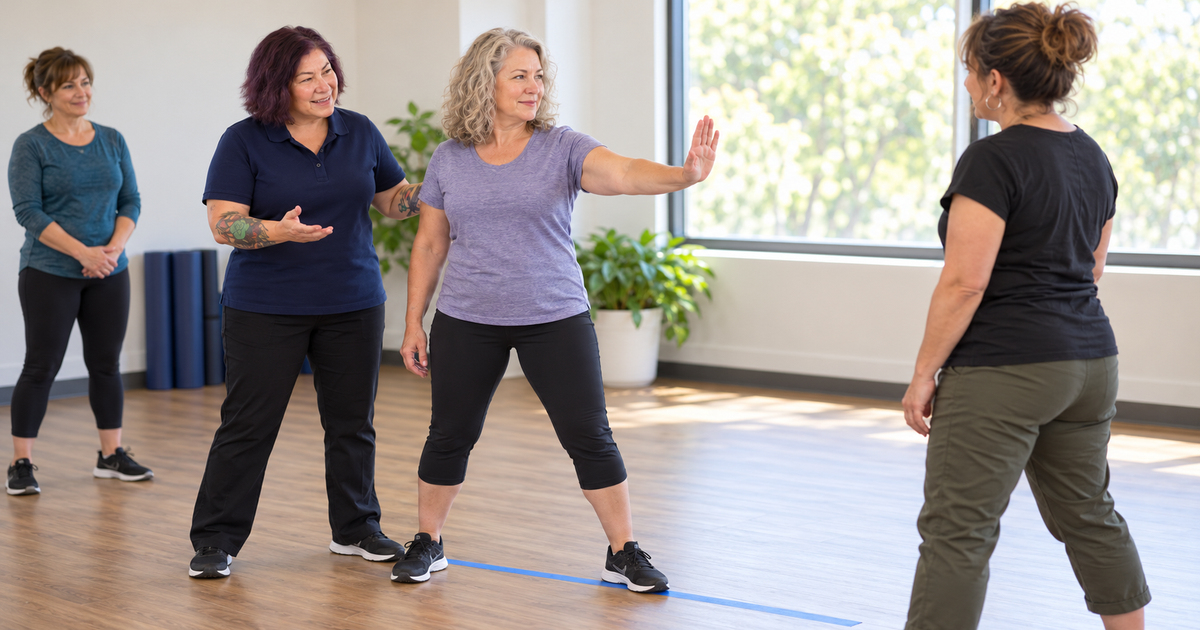
Choose personal safety training for women by matching the curriculum, teaching approach, and practical arrangements to your goals. Ask what you will practice, who will teach it, what experience is required, and how the instructor supports questions and individual needs.
For women in Henderson and Summerlin, location matters, but a nearby listing is only a starting point. Confirm the actual venue, complete schedule, accessibility, and enrollment terms before committing.
The right program should give you a clear picture of the learning experience. You deserve enough information to decide whether the course fits your life, your current skills, and the kind of confidence you want to build.
Start with what you want to learn with personal safety training
Personal safety can mean different things to different providers. One course may emphasize awareness and communication. Another may focus on physical skills, a particular tool, or firearm education.
Write down your main goal before comparing programs. You might want to recognize uncomfortable interactions earlier, communicate boundaries, understand everyday preparedness, or learn a specific skill through supervised instruction.
Use a sentence such as, “I want to practice making a clear first decision when plans change.”
Then ask how the course addresses that goal. A useful answer should describe actual teaching and practice, rather than relying entirely on words such as empowerment, confidence, or readiness.
Look beyond the course name for personal safety training
Ask for a curriculum outline that explains the subjects covered and how they connect. For a foundational program, relevant areas to ask about include:
- Situational awareness in everyday environments.
- Recognizing changes in behavior and circumstances.
- Communicating personal boundaries.
- Identifying options for leaving or seeking help.
- Emotional composure during uncomfortable moments.
- Decision-making under pressure.
These are comparison questions, not a claim that every course includes every subject. Find out whether the program teaches observation separately from assumptions. Someone’s unfamiliar appearance does not establish harmful intent. Ask how instructors help students evaluate behavior and context while choosing proportionate responses.
Check how personal safety training for women is taught
A topic list tells you what may be discussed. The teaching format tells you how you will engage with it. Ask whether sessions involve explanation, demonstrations, discussion, individual practice, or scenarios. Find out how much opportunity students have to try a skill and receive feedback.
You might ask, “Can you describe a beginner exercise and how you explain it beforehand?”
Look for a clear answer about the purpose, participation expectations, and supervision. If an exercise involves touch, physical contact, equipment, or simulated confrontation, ask how consent and boundaries are handled. Knowing the format beforehand helps you make an informed choice about participation.
Match the program to your experience for personal safety training
Being new is useful information for an instructor. Describe your experience honestly, including any previous classes and the areas where you still want guidance. Ask whether “beginner friendly” means no prior experience is required or whether the course assumes specific knowledge.
Also ask how students are grouped. A class containing different experience levels may still be appropriate, but you should understand how the instructor manages that difference.
Advanced instruction is not automatically a better starting point. The useful choice is the course that teaches the next skill you need with appropriate support. You can return to more challenging material after establishing the relevant foundations.
Ask about the instructor’s relevant qualifications for personal safety training
Request the instructor’s name, relevant qualifications, and experience teaching the subject you are considering. A credential should be connected to the skill being taught.
Ask who issued a certification and what it covers. Where verification is available, check it through the issuing organization.
Teaching experience also matters to your decision. Ask how the instructor introduces unfamiliar material, handles questions, and gives corrective feedback.
You do not need to judge someone by a dramatic biography or confident presentation alone. Look for specific, understandable information about their preparation and teaching responsibilities. Avoid assuming that expertise in one discipline establishes expertise in every part of personal safety.
Discuss mobility, comfort, and participation needs
Tell the provider about accommodations you want to discuss without feeling obliged to share your full personal history.
Useful questions include:
- Can activities be completed seated?
- How much standing or movement is involved?
- Are breaks included?
- Can I observe before trying an exercise?
- What alternatives are available if an activity does not fit my needs?
Get answers before enrolling. An accommodation should be confirmed rather than assumed.
If physical participation raises a health question, discuss it with an appropriate health professional. A provider should explain the course demands clearly enough for you to make that decision. Your needs belong in the planning conversation.
Verify the details for Henderson and Summerlin for personal safety training
A service-area reference does not confirm a permanent classroom or a scheduled session in that community. Ask for the exact location of the course you are considering. Confirm the arrival instructions, parking arrangements, access route, session length, and number of meetings. If the location changes between sessions, ask for each venue.
Consider whether you can attend the complete course comfortably. A convenient first session may still lead to difficulties if later meetings conflict with work or caregiving responsibilities.
For Henderson residents exploring broader local resources, the Henderson Police Community Programs page lists personal safety education for women. Check current arrangements directly; the listing does not establish availability or endorsement of a private provider.
Understand the full cost and enrollment terms
Ask for the total price and what it includes. Confirm whether there are separate equipment, materials, facility, or follow-up charges.
Request the cancellation, rescheduling, refund, and missed-session policies before paying. If the course is a series, ask whether enrollment covers every meeting and what happens if you cannot attend one. Keep the written course description and the terms supplied with your booking.
Compare value through the curriculum, teaching time, practice opportunities, and support that matter to you. A lower price or longer session alone cannot tell you whether a program meets your goals. Resolve unclear terms before committing.
Where Wendy Jay Personal Safety Training fits
Wendy Jay Training’s Girl Power program focuses on situational awareness, personal safety, confidence, and decision-making. Its published enrollment information describes a complete three-class series: The Prepared Mind, Measured Response, and Decisive Under Pressure.
The programs page states that Girl Power requires no prior experience. It also describes separate pathways for responsible firearm education and advanced firearm skill refinement.
For a foundational awareness goal, ask about Girl Power first. If your goal specifically involves firearm education, discuss the appropriate pathway and prerequisites directly.
Wendy Jay Training’s client information includes Henderson and Summerlin within its service area. Confirm the current class venue and dates through the contact page rather than assuming a neighborhood-specific classroom.
Use one clear comparison before deciding
Choose two or three realistic options and ask each provider the same essential questions:
- What will I learn and practice?
- What experience do I need?
- Who teaches the course?
- How are participation needs handled?
- Where and when does it meet?
- What is the complete cost?
- What happens if I miss a session?
Record concrete answers. If one detail is missing, ask a follow-up question instead of filling the gap with an assumption.
Take time to compare the answers with the goals you wrote down earlier.
A clear response can help you decide whether to proceed. Pressure to enroll before reasonable questions are answered is a reason to slow the decision down.
Frequently asked questions
Do I need firearm experience to begin?
Not for every type of program. Awareness and preparedness education can be separate from firearm instruction. Wendy Jay Training identifies Girl Power as a foundational program with no prior experience required. Always check the prerequisites for the specific course you select.
Should I choose group or private instruction?
Compare the actual format and your learning preferences. Ask about group size, individual feedback, privacy, scheduling, and opportunities for practice. Private instruction is not automatically better, and a group setting should still allow questions and clear participation expectations.
Can one course guarantee my safety?
No. Personal safety training cannot control every situation or another person’s behavior. Look for realistic descriptions of learning goals and limitations. A useful course should help you understand skills and options without promising invulnerability or suggesting that someone is responsible for harm caused by another person.
What if I feel nervous about attending?
Ask what the first session involves, what to bring, and how participation works. You can discuss questions before enrolling. Choose a provider whose answers help you understand the experience without requiring you to feel confident before you begin.
Choose a practical starting point
Personal safety training for women should connect your goals with clear instruction, relevant practice, and workable arrangements. For women in Henderson and Summerlin, the next step is to compare those details and confirm the course location.
To explore Wendy Jay Training’s approach to preparedness education and confidence for women, contact Wendy Jay Training. Share what you want to learn and ask which current program fits your experience and needs.